HC instructs MMC to relocate Sonsoddo biomedical waste to Kundaim facility
WATER & WASTE

HC instructs MMC to relocate Sonsoddo biomedical waste to Kundaim facility

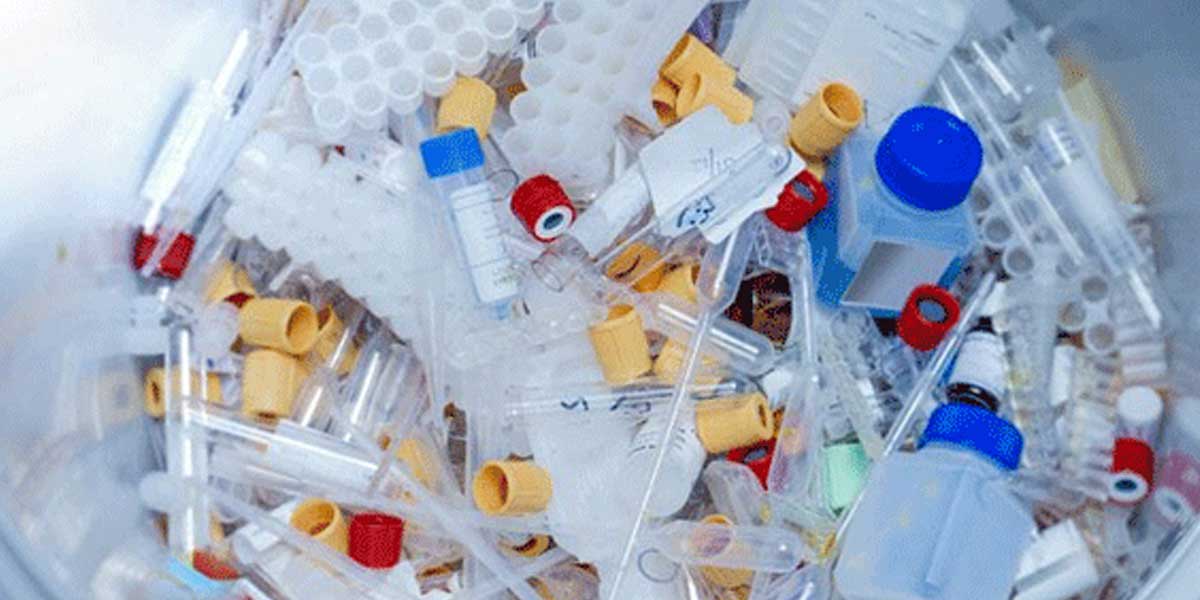
The High Court has directed the Margao Municipal Council (MMC) to move the biomedical waste currently present at the Sonsoddo waste treatment plant to the Kundaim facility. This decision comes as a response to concerns raised about the inadequate handling and management of such waste at the Sonsoddo site.

With a focus on safeguarding public health and the environment, the High Court's initiative aims to ensure appropriate disposal of biomedical waste. Such waste, containing potentially hazardous materials, necessitates strict adherence to guidelines and necessitates proper disposal methods to minimize any potential risks.

While the Sonsoddo facility has been accepting biomedical waste, there have been numerous complaints regarding the handling and storage practices, exposing both workers and the local community to potential health hazards. Concerns have been raised about mismanagement, lack of appropriate infrastructure, and the absence of necessary safety measures.

In light of these concerns, the High Court has mandated the MMC to shift all biomedical waste from Sonsoddo to the Kundaim facility. The Kundaim facility is known for its state-of-the-art infrastructure and adherence to waste disposal guidelines. By relocating the biomedical waste to Kundaim, the High Court aims to overcome the existing deficiencies at the Sonsoddo site.

Given the sensitive nature of biomedical waste, all stakeholders involved must take necessary precautions to minimize risks and ensure the safe handling and removal of such waste. The High Court's directive emphasizes the significance of adhering to proper disposal methods and creating a safe environment for everyone involved.

The MMC now has the responsibility of arranging the transportation of biomedical waste to the Kundaim facility. They must also develop an effective system for its efficient disposal and ensure that the facility can handle the volume of waste generated. Additionally, it is crucial for MMC to train its personnel in proper handling and disposal procedures to avoid any potential health or environmental hazards.

The move to shift biomedical waste from Sonsoddo to Kundaim not only enhances safety but also serves as a step towards improving waste management practices in the state. It is expected that this decision will serve as a catalyst for the proper handling of all types of waste in the future, contributing to a cleaner and healthier environment for all.

In conclusion, the High Court's instruction to the MMC to relocate biomedical waste from Sonsoddo to the Kundaim facility marks a significant step towards ensuring the safe disposal of such waste. It underscores the need for proper waste management practices and aims to safeguard public health and the environment.

The High Court has directed the Margao Municipal Council (MMC) to move the biomedical waste currently present at the Sonsoddo waste treatment plant to the Kundaim facility. This decision comes as a response to concerns raised about the inadequate handling and management of such waste at the Sonsoddo site. With a focus on safeguarding public health and the environment, the High Court's initiative aims to ensure appropriate disposal of biomedical waste. Such waste, containing potentially hazardous materials, necessitates strict adherence to guidelines and necessitates proper disposal methods to minimize any potential risks. While the Sonsoddo facility has been accepting biomedical waste, there have been numerous complaints regarding the handling and storage practices, exposing both workers and the local community to potential health hazards. Concerns have been raised about mismanagement, lack of appropriate infrastructure, and the absence of necessary safety measures. In light of these concerns, the High Court has mandated the MMC to shift all biomedical waste from Sonsoddo to the Kundaim facility. The Kundaim facility is known for its state-of-the-art infrastructure and adherence to waste disposal guidelines. By relocating the biomedical waste to Kundaim, the High Court aims to overcome the existing deficiencies at the Sonsoddo site. Given the sensitive nature of biomedical waste, all stakeholders involved must take necessary precautions to minimize risks and ensure the safe handling and removal of such waste. The High Court's directive emphasizes the significance of adhering to proper disposal methods and creating a safe environment for everyone involved. The MMC now has the responsibility of arranging the transportation of biomedical waste to the Kundaim facility. They must also develop an effective system for its efficient disposal and ensure that the facility can handle the volume of waste generated. Additionally, it is crucial for MMC to train its personnel in proper handling and disposal procedures to avoid any potential health or environmental hazards. The move to shift biomedical waste from Sonsoddo to Kundaim not only enhances safety but also serves as a step towards improving waste management practices in the state. It is expected that this decision will serve as a catalyst for the proper handling of all types of waste in the future, contributing to a cleaner and healthier environment for all. In conclusion, the High Court's instruction to the MMC to relocate biomedical waste from Sonsoddo to the Kundaim facility marks a significant step towards ensuring the safe disposal of such waste. It underscores the need for proper waste management practices and aims to safeguard public health and the environment.

Next Story
Infrastructure Urban

India Expands Semiconductor Training To 500 Institutions

Under the Chips to Startups programme of the India Semiconductor Mission, the Union minister responsible for Railways, Information and Broadcasting, and Electronics and IT reported notable progress in talent development. He indicated that over the past four years substantial steps have been taken towards a 10-year target of training 85,000 engineers in semiconductor design. World-class EDA tools have been deployed in 315 academic institutions across the country to provide students with practical exposure to chip design. These EDA tools are supported by leading global firms and are accessible t..

Next Story
Infrastructure Urban

Delhi Institutions Support India Semiconductor Mission

The Government of India has prioritised talent development through training, upskilling and workforce development under the Chips to Startups initiative of the India Semiconductor Mission, with officials noting progress in four years towards a 10-year target of training 85,000 engineers in semiconductor design. Electronic design automation tools provided by Synopsys, Cadence, Siemens, Renesas, Ansys and AMD have been deployed in 315 academic institutions, enabling students to gain practical chip design experience. Chips have been fabricated and tested at the Semiconductor Laboratory, Mohali, a..

Next Story
Infrastructure Urban

NHA Announces Winners Of NHCX Hackathon At IIT Hyderabad

The National Health Authority (NHA) has concluded the NHCX Hackathon under the Ayushman Bharat Digital Mission (ABDM) to stimulate innovation around the National Health Claims Exchange (NHCX). The winning teams presented their solutions at the NHCX Innovation Meet held at IIT Hyderabad during a two-day event in March 2026 that also served as the hackathon grand finale. The hackathon itself ran from 22 to 28 February 2026 and aimed to accelerate paperless, transparent claims processing across India. The event was organised with a range of ecosystem partners, including the Insurance Regulatory a..

Advertisement

Subscribe to Our Newsletter

Get daily newsletters around different themes from Construction world.

STAY CONNECTED

Advertisement

Advertisement

Advertisement