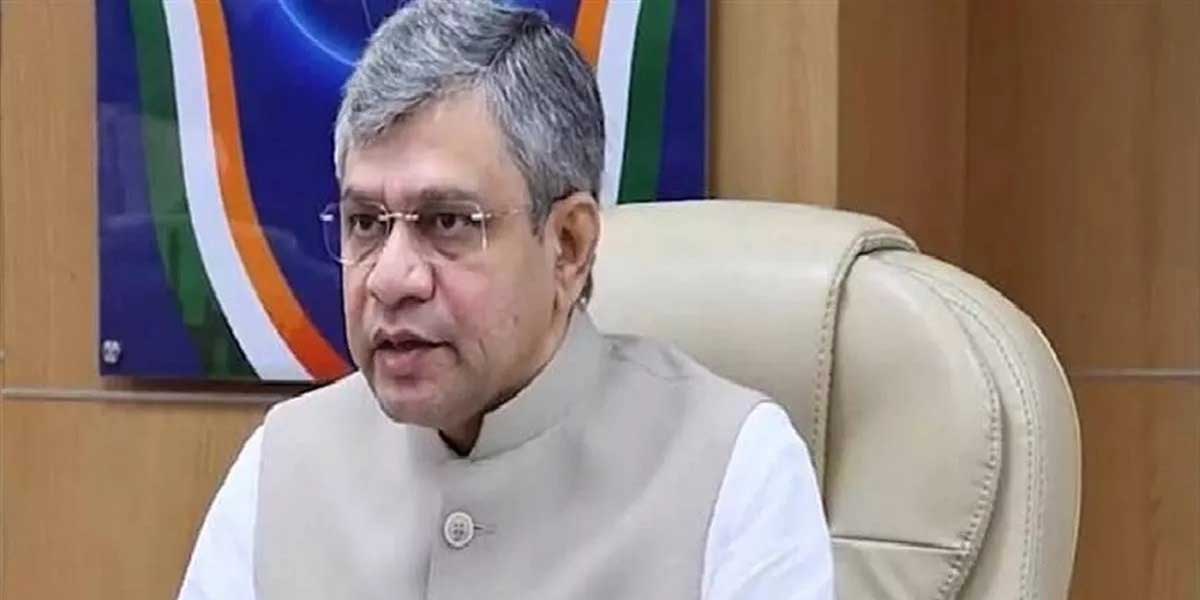
Vande Bharat metro train to be ready by December 2023
RAILWAYS & METRO RAIL

Vande Bharat metro train to be ready by December 2023

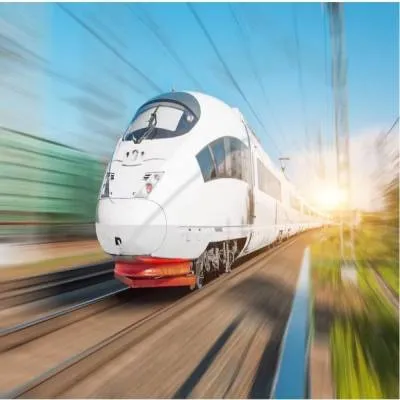
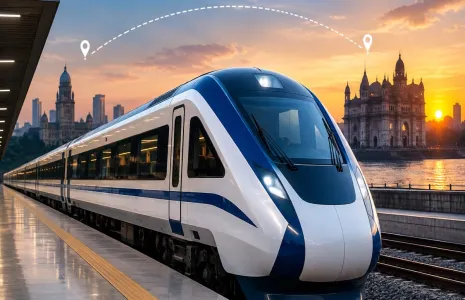
By the end of this year, the Railway Ministry hopes to launch a short-distance version of the native Vande Bharat trains. The Vande Metro is being constructed with the idea that trains can travel at a very high frequency, such as four or five times daily in cities with a distance of less than 100 kilometres, which is very comfortable and inexpensive. According to Railway Minister Ashwini Vaishnaw, the train will be ready by December.

The Vande Metro trains, according to the minister, would contribute in relieving stress on the suburban train network. The reception garnered by the Vande Bharat trains served as the basis for the plan to operate the Vande Metro. "This will make it possible for job seekers and students to travel between cities in top-notch transportation while saving time. Additionally, it will aid in easing congestion on local trains," the speaker continued.

The government's attempts to expand the suburban Railway network include the Vande Metro trains. The Indian Railways currently uses suburban services to handle short-distance, high-demand lines (around 100 km one way). Popular routes circle Mumbai, Delhi, Kolkata, and Chennai's major cities. In addition to these, suburban services are available in Barabanki-Lucknow, Pune, Hyderabad, Lucknow-Kanpur, and Pernem-Karwar (Goa). Trains operated by Vande Bharat have a top speed capability of more than 160 kmph.

Additionally, Vande Bharat sleeper trains will be made available soon. In one of the largest railway tenders for manufacturing-cum-maintenance of Vande Bharat trains, a consortium of BHEL and Titagarh Waggons was awarded the contract for the supply of 80 sleeper class Vande Bharat trains. The group would also take on thorough train maintenance for 35 years. 80 trains would be delivered at a cost of Rs 1.20 billion each, excluding taxes and charges. Additionally, a partnership lead by BHEL will provide the trains over a 72-month period.

"Join industry leaders at RAHSTA Expo, India's premier platform for roads, highways and traffic infrastructure. Register now to explore innovations, network with experts and shape the future of mobility."

By the end of this year, the Railway Ministry hopes to launch a short-distance version of the native Vande Bharat trains. The Vande Metro is being constructed with the idea that trains can travel at a very high frequency, such as four or five times daily in cities with a distance of less than 100 kilometres, which is very comfortable and inexpensive. According to Railway Minister Ashwini Vaishnaw, the train will be ready by December. The Vande Metro trains, according to the minister, would contribute in relieving stress on the suburban train network. The reception garnered by the Vande Bharat trains served as the basis for the plan to operate the Vande Metro. This will make it possible for job seekers and students to travel between cities in top-notch transportation while saving time. Additionally, it will aid in easing congestion on local trains, the speaker continued. The government's attempts to expand the suburban Railway network include the Vande Metro trains. The Indian Railways currently uses suburban services to handle short-distance, high-demand lines (around 100 km one way). Popular routes circle Mumbai, Delhi, Kolkata, and Chennai's major cities. In addition to these, suburban services are available in Barabanki-Lucknow, Pune, Hyderabad, Lucknow-Kanpur, and Pernem-Karwar (Goa). Trains operated by Vande Bharat have a top speed capability of more than 160 kmph. Additionally, Vande Bharat sleeper trains will be made available soon. In one of the largest railway tenders for manufacturing-cum-maintenance of Vande Bharat trains, a consortium of BHEL and Titagarh Waggons was awarded the contract for the supply of 80 sleeper class Vande Bharat trains. The group would also take on thorough train maintenance for 35 years. 80 trains would be delivered at a cost of Rs 1.20 billion each, excluding taxes and charges. Additionally, a partnership lead by BHEL will provide the trains over a 72-month period.

Next Story
Infrastructure Energy

Centre Prioritising Energy Security With Coal Gasification

Union minister for Coal and Mines G Kishan Reddy said the Centre is prioritising energy security through a strategic shift to coal gasification and has announced incentives totalling Rs 460 billion (bn) to support the effort. He said more than 35 companies will start coal gasification activities in India within two months and that the government is encouraging firms that bring technology to close the domestic technology gap. The minister described the initiative as aimed at reducing import dependence and developing indigenous capacity. India has the fifth-largest coal reserve in the world, and..

Next Story
Infrastructure Urban

BHEL and Coal India Invest Rs 250 bn in Odisha Gasification

Bharat Heavy Electricals (BHEL) and Coal India (CIL) are jointly investing Rs 250 billion in a coal gasification project in Odisha, with the Prime Minister laying the foundation stone in Jharsuguda. Union Coal and Mines Minister G Kishan Reddy described the initiative as a transformative shift in coal utilisation that will open industrial avenues for the state. The project moves coal beyond conventional power generation to industrial feedstocks. Coal gasification will convert coal into synthesis gas, a versatile feedstock for chemicals, fertilisers and synthetic fuels, and the technology is ex..

Next Story
Infrastructure Energy

BCCL Hands Over Dugdha Coal Washery To JSW Steel

Bharat Coking Coal has handed over the Dugdha Coal Washery to JSW Steel, marking the first coal washery asset monetisation under the Ministry of Coal's asset monetisation programme. The handover took place in the presence of senior officials from Bharat Coking Coal Ltd, JSW Steel and JSW Energy. The washery has a capacity of two million tonnes per annum (mn t per annum), and its transfer is intended to introduce private sector practices into coal beneficiation operations. The monetisation is aimed at modernising coal sector assets, improving operational efficiency and enhancing resource utilis..

Advertisement

Subscribe to Our Newsletter

Get daily newsletters around different themes from Construction world.

STAY CONNECTED

Advertisement

Advertisement

Advertisement