+
1000+ Amrit Bharat Trains Planned
RAILWAYS & METRO RAIL

1000+ Amrit Bharat Trains Planned

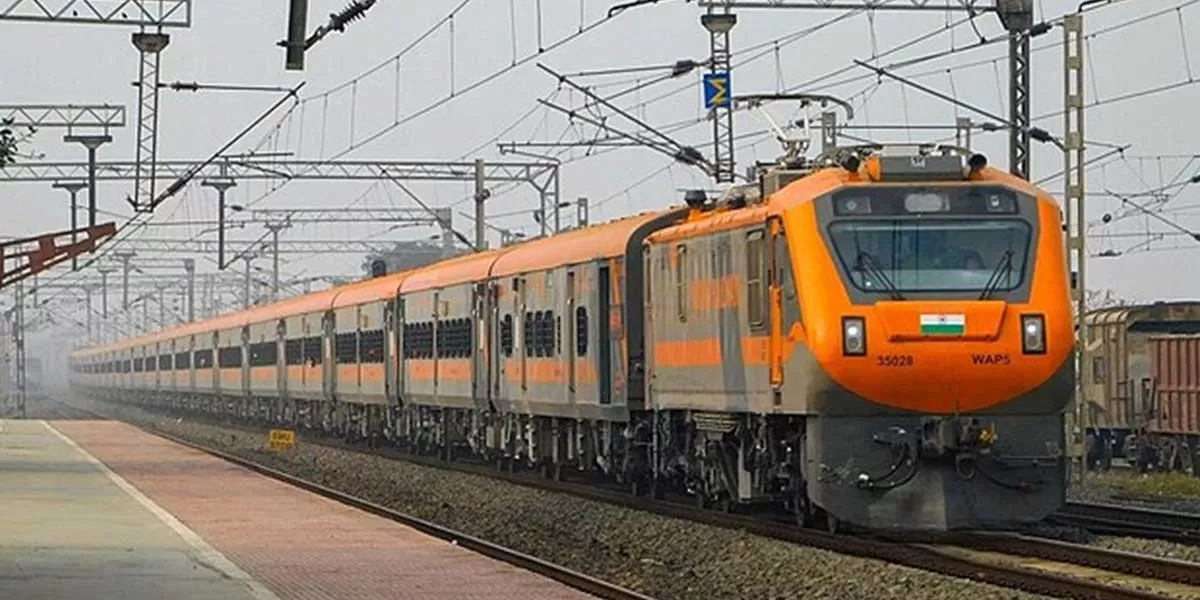
In a significant announcement, Railway Minister Ashwini Vaishnaw revealed an ambitious plan for the production of over 1000 Amrit Bharat trains in the coming years. This strategic move reflects the government's commitment to modernizing the railway infrastructure and enhancing the efficiency of transportation networks across the country.

The Amrit Bharat trains, a flagship initiative, are poised to play a pivotal role in transforming India's railway sector. Minister Vaishnaw's announcement outlines a comprehensive plan to scale up the production of these trains, indicating a significant investment in railway modernization and expansion.

The decision to manufacture over 1000 Amrit Bharat trains is driven by the need to meet the growing demands of passengers while ensuring safety, comfort, and sustainability. These trains, designed with state-of-the-art features and modern amenities, are expected to elevate the overall travel experience for passengers and contribute to the nation's vision of a more connected and efficient transportation system.

The production plan aligns with the broader goals of the government to promote sustainable and eco-friendly modes of transportation. Amrit Bharat trains are likely to incorporate energy-efficient technologies, reducing the environmental impact of railway operations. This emphasis on sustainability is in line with global efforts to address climate change and create more eco-conscious transportation solutions.

Moreover, the announcement holds significant economic implications. The production of over 1000 Amrit Bharat trains is expected to generate employment opportunities across the manufacturing and supply chain sectors. This job creation aligns with the government's agenda to boost economic growth, particularly in the wake of challenges posed by the global economic landscape.

The expansion of the Amrit Bharat train fleet also underscores the government's commitment to providing efficient and affordable transportation options for the citizens of India. By increasing the number of modern and well-equipped trains, the railway network becomes more accessible and convenient, catering to the diverse needs of the population.

As the production plan unfolds, it is anticipated to stimulate innovation in railway technology and contribute to the overall advancement of the Indian railway industry. The increased focus on domestic manufacturing for these trains further aligns with the government's vision of self-reliance and the 'Make in India' initiative.

In conclusion, Railway Minister Ashwini Vaishnaw's announcement of the plan to manufacture over 1000 Amrit Bharat trains in the coming years is a significant step towards the modernization and expansion of India's railway infrastructure. This initiative not only addresses the pressing needs of passengers but also aligns with sustainability goals and economic development objectives. As the production unfolds, it is poised to bring about transformative changes in the railway sector, contributing to a more efficient, sustainable, and well-connected transportation network across the country.

In a significant announcement, Railway Minister Ashwini Vaishnaw revealed an ambitious plan for the production of over 1000 Amrit Bharat trains in the coming years. This strategic move reflects the government's commitment to modernizing the railway infrastructure and enhancing the efficiency of transportation networks across the country. The Amrit Bharat trains, a flagship initiative, are poised to play a pivotal role in transforming India's railway sector. Minister Vaishnaw's announcement outlines a comprehensive plan to scale up the production of these trains, indicating a significant investment in railway modernization and expansion. The decision to manufacture over 1000 Amrit Bharat trains is driven by the need to meet the growing demands of passengers while ensuring safety, comfort, and sustainability. These trains, designed with state-of-the-art features and modern amenities, are expected to elevate the overall travel experience for passengers and contribute to the nation's vision of a more connected and efficient transportation system. The production plan aligns with the broader goals of the government to promote sustainable and eco-friendly modes of transportation. Amrit Bharat trains are likely to incorporate energy-efficient technologies, reducing the environmental impact of railway operations. This emphasis on sustainability is in line with global efforts to address climate change and create more eco-conscious transportation solutions. Moreover, the announcement holds significant economic implications. The production of over 1000 Amrit Bharat trains is expected to generate employment opportunities across the manufacturing and supply chain sectors. This job creation aligns with the government's agenda to boost economic growth, particularly in the wake of challenges posed by the global economic landscape. The expansion of the Amrit Bharat train fleet also underscores the government's commitment to providing efficient and affordable transportation options for the citizens of India. By increasing the number of modern and well-equipped trains, the railway network becomes more accessible and convenient, catering to the diverse needs of the population. As the production plan unfolds, it is anticipated to stimulate innovation in railway technology and contribute to the overall advancement of the Indian railway industry. The increased focus on domestic manufacturing for these trains further aligns with the government's vision of self-reliance and the 'Make in India' initiative. In conclusion, Railway Minister Ashwini Vaishnaw's announcement of the plan to manufacture over 1000 Amrit Bharat trains in the coming years is a significant step towards the modernization and expansion of India's railway infrastructure. This initiative not only addresses the pressing needs of passengers but also aligns with sustainability goals and economic development objectives. As the production unfolds, it is poised to bring about transformative changes in the railway sector, contributing to a more efficient, sustainable, and well-connected transportation network across the country.

Next Story
Infrastructure Transport

Lucknow Metro East-West Corridor Consultancy Contract Awarded

The Uttar Pradesh Metro Rail Corporation has awarded the first construction-related consultancy contract for the Lucknow Metro East West Corridor to a joint venture of AYESA Ingenieria Arquitectura SAU and AYESA India Pvt Ltd. The firm was declared the lowest bidder for the Detailed Design Consultant contract for Lucknow Metro Line-2 under Phase 1B and the contract was recommended following the financial bid. The contract is valued at Rs 159.0 million (mn), covering design services for the corridor. Lucknow Metro Line-2 envisages the construction of an 11.165 kilometre corridor connecting Cha..

Next Story
Infrastructure Urban

Div Com Kashmir Urges Fast Tracking Of Jhelum Water Transport Project

The Divisional Commissioner of Kashmir has called for the fast-tracking of the Jhelum water transport project, urging district administrations and relevant agencies to accelerate planning and clearances. In a meeting convened at the divisional headquarters, the commissioner instructed officials from irrigation, public health engineering and municipal departments to prioritise the project and coordinate survey and design work. The directive emphasised removal of administrative bottlenecks and close monitoring to ensure timely mobilisation of resources and contractors. Officials were told to in..

Next Story
Infrastructure Urban

Interarch Reports Strong Q3 And Nine Month Results

Interarch Building Solutions Limited reported unaudited results for the third quarter and nine months ended 31 December 2025, recording strong revenue growth driven by execution and a robust order book. Net revenue for the third quarter rose by 43.7 per cent to Rs 5.225 billion (bn), compared with Rs 3.636 bn a year earlier, reflecting heightened demand in pre-engineered building projects. The company’s total order book as at 31 January 2026 stood at Rs 16.85 bn, supporting near-term visibility. EBITDA excluding other income for the quarter increased by 43.2 per cent to Rs 503 million (mn),..

Advertisement

Subscribe to Our Newsletter

Get daily newsletters around different themes from Construction world.

STAY CONNECTED

Advertisement

Advertisement

Advertisement

Open In App