Supreme Court Directs MORTH to Address Highway Encroachments
ROADS & HIGHWAYS

Supreme Court Directs MORTH to Address Highway Encroachments

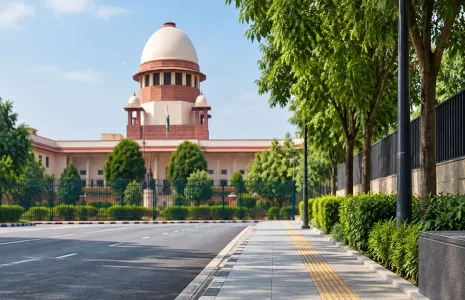
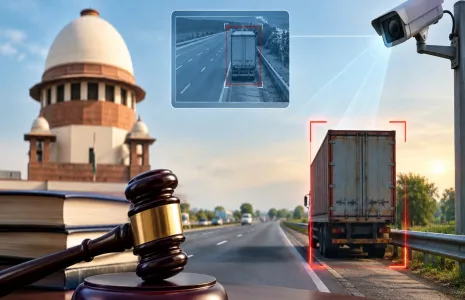
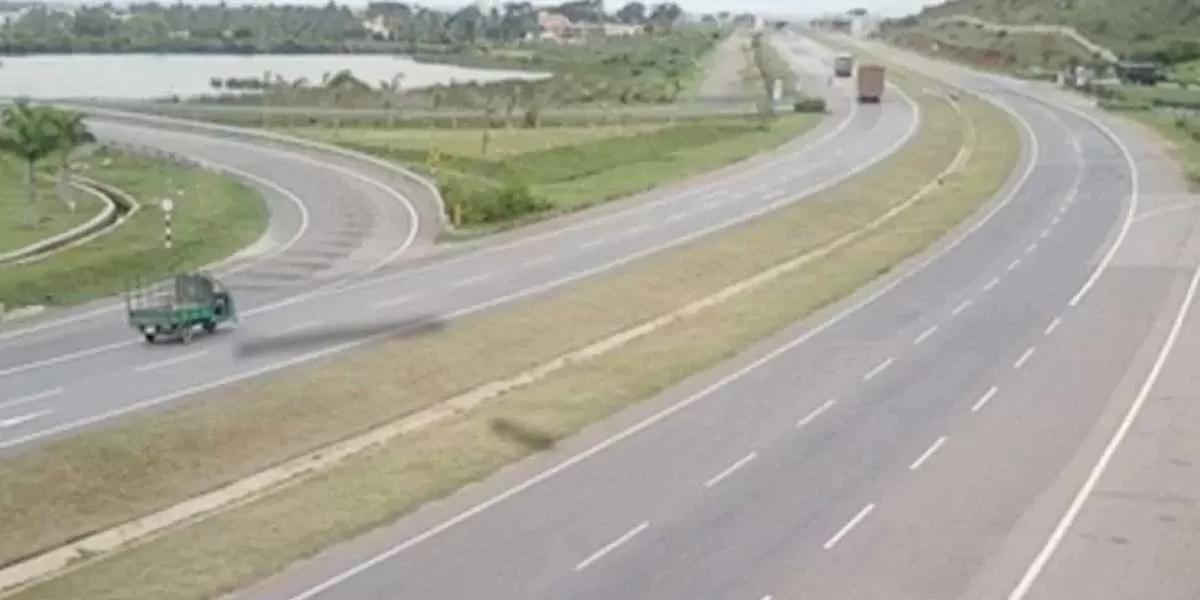
The Supreme Court of India has issued a directive to the Ministry of Road Transport and Highways (MORTH) to establish a dedicated portal and a toll-free number for addressing encroachment complaints on national highways. This move aims to streamline the process for the public to report issues related to illegal encroachments affecting highway infrastructure.

Portal Creation: The Court has instructed MORTH to develop an online platform where citizens can lodge complaints regarding encroachments. This portal will serve as a central hub for managing and addressing these grievances efficiently.

Toll-Free Number: In addition to the digital portal, MORTH is required to set up a toll-free number to facilitate easier access for the public to report encroachments. This measure is intended to ensure that complaints can be made without any financial burden.

Objective: The primary goal of this directive is to improve the management of national highways by addressing encroachments that hinder traffic flow and pose safety risks. It reflects a commitment to maintaining and enhancing infrastructure quality.

Public Engagement: The new system will enable greater public involvement in safeguarding highway infrastructure, providing a straightforward way for citizens to contribute to the maintenance and safety of national roads.

Legal Compliance: The Supreme Court?s directive underscores the importance of adhering to legal and regulatory standards in the management of public infrastructure. It aims to ensure that highway encroachments are addressed promptly and effectively.

The establishment of a portal and toll-free number marks a significant step towards more transparent and efficient handling of highway encroachment issues, enhancing the overall management and upkeep of national highway networks in India.

The Supreme Court of India has issued a directive to the Ministry of Road Transport and Highways (MORTH) to establish a dedicated portal and a toll-free number for addressing encroachment complaints on national highways. This move aims to streamline the process for the public to report issues related to illegal encroachments affecting highway infrastructure. Portal Creation: The Court has instructed MORTH to develop an online platform where citizens can lodge complaints regarding encroachments. This portal will serve as a central hub for managing and addressing these grievances efficiently. Toll-Free Number: In addition to the digital portal, MORTH is required to set up a toll-free number to facilitate easier access for the public to report encroachments. This measure is intended to ensure that complaints can be made without any financial burden. Objective: The primary goal of this directive is to improve the management of national highways by addressing encroachments that hinder traffic flow and pose safety risks. It reflects a commitment to maintaining and enhancing infrastructure quality. Public Engagement: The new system will enable greater public involvement in safeguarding highway infrastructure, providing a straightforward way for citizens to contribute to the maintenance and safety of national roads. Legal Compliance: The Supreme Court?s directive underscores the importance of adhering to legal and regulatory standards in the management of public infrastructure. It aims to ensure that highway encroachments are addressed promptly and effectively. The establishment of a portal and toll-free number marks a significant step towards more transparent and efficient handling of highway encroachment issues, enhancing the overall management and upkeep of national highway networks in India.

Next Story
Infrastructure Urban

Implementation Status of Jal Jeevan Mission

Since August 2019 the Government has implemented Jal Jeevan Mission to provide assured potable water through household tap connections in rural India. At the start of the mission only 32.3 million (mn) rural households, representing 16.7 per cent, were reported to have tap water connections. States and union territories have reported that 125.8 mn additional rural households have since been provided with tap connections. As a result, of about 193.6 mn rural households roughly 158.2 mn, or 81.71 per cent, are reported to have tap water supply at home.\n\nThe State, district and village level st..

Next Story
Infrastructure Urban

Jal Jeevan Mission Reaches Eighty One Per Cent Rural Coverage

The Government reported substantial progress under the Jal Jeevan Mission, launched in August 2019 to provide tap water to every rural household. At launch only 32.3 million (mn) rural households had tap connections and states and Union territories reported provision of 125.8 mn additional households by March 2026. Consequently, out of about 193.6 mn rural households around 158.2 mn, or 81.71 per cent, are reported to have tap water at home. The Finance Minister announced extension of the mission until 2028 in the 2025-26 budget speech. The Swachh Bharat Mission Grameen, launched in October 20..

Next Story
Infrastructure Urban

Empowering Local Governance for Sustainable Rural Water Supply

The Ministry of Jal Shakti has aligned the Jal Jeevan Mission (JJM) with the 73rd Amendment to strengthen village level planning and community ownership of water supply. Gram Panchayats, village water and sanitation committees and Pani Samitis are to plan, implement, manage and maintain piped water systems, with gram sabha processes formalising handover and oversight. Implementation support agencies including non government organisations, community based organisations and self help groups have been empanelled to train local committees and promote women participation. Under JJM, the department ..

Advertisement

Subscribe to Our Newsletter

Get daily newsletters around different themes from Construction world.

STAY CONNECTED

Advertisement

Advertisement

Advertisement