Bus corridor on the North Paravur-Aroor stretch recommended
ROADS & HIGHWAYS

Bus corridor on the North Paravur-Aroor stretch recommended

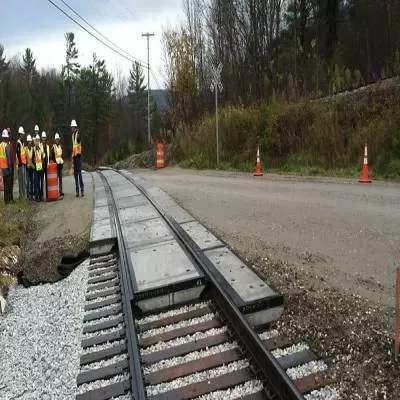
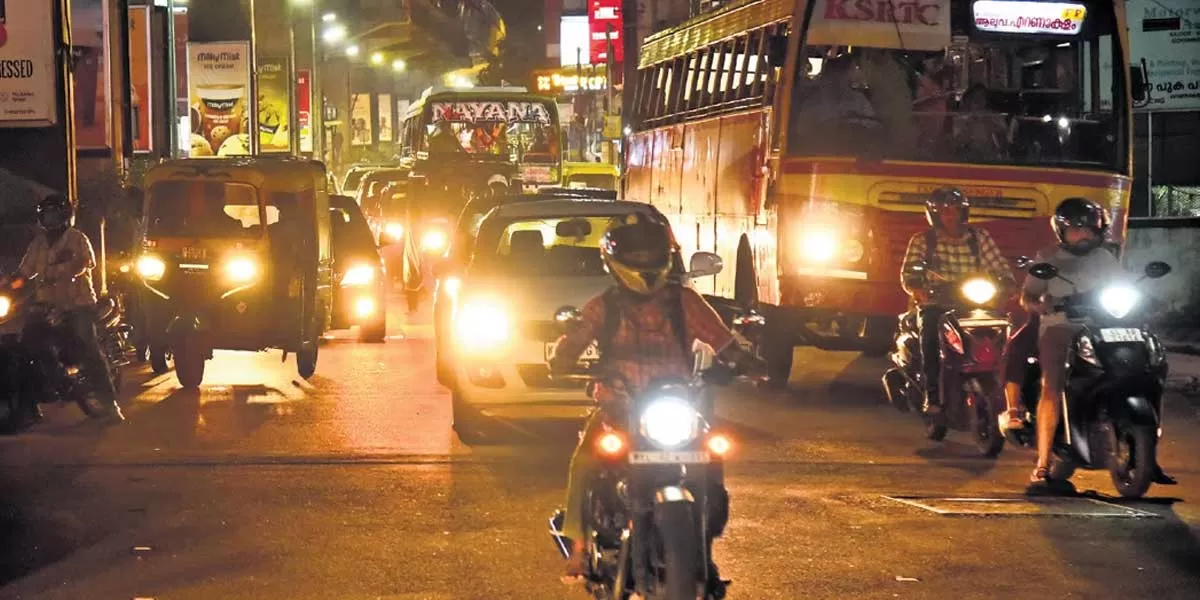
The draft CMP estimated the peak hour per direction traffic (PHPDT) for the predominantly two-lane corridor at 15,100. However, it recommended a bus-based mobility corridor, similar to a Bus Rapid Transport System (BRTS), for the North Paravur-Aroor stretch, where the width varies from two to six lanes, and put the PHPDT at 9,446.

The National Highways Authority of India (NHAI) is expected to complete the construction of a six-lane highway on the North Paravur-Edappally NH 66 stretch. Additionally, it is considering a 16-km-long, six-lane elevated highway on the Edappally-Aroor NH 66 stretch, which would result in a corridor with a width ranging between 10 and 12 lanes. The NHAI has reported that the daily traffic count on the Edappally-Aroor NH 66 stretch is one lakh passenger car units, making it one of the busiest NH corridors in Kerala.

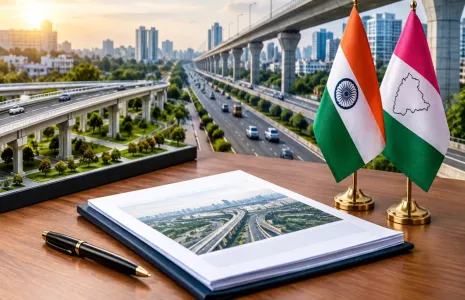
Regarding the feasibility of constructing a metro viaduct over the elevated highway proposed by NHAI in the Aroor-Edappally corridor, sources from KMRL, the agency responsible for preparing the CMP for the Greater Cochin Development Authority (GCDA) and the Goshree Islands Development Authority (GIDA), indicated that the current PHPDT of 9,446 for the 35-km North Paravur-Aroor stretch needs to exceed 10,000 to justify a metro extension. They suggested instead implementing a BRTS for the stretch.

Traffic planners from the National Transportation Planning and Research Centre (NATPAC) and other agencies had cautioned that traffic on the 35-km stretch would significantly increase once the highway is widened and the planned six-lane elevated highways in the 16-km Edappally-Aroor and 13-km Aroor-Thuravur corridors are completed.

The final draft of the updated CMP for the Greater Kochi area is anticipated to be completed in three months, incorporating feedback from people's representatives, residents" association representatives, and other stakeholders. KMRL has engaged UMTC as the consultant to prepare the CMP, which aims to outline strategies for short-, medium-, and long-term developments to enhance accessibility and mobility in the region. The future extensions of the Kochi metro are contingent on the CMP, which was initially published in 2017 and is now under revision.

The draft CMP estimated the peak hour per direction traffic (PHPDT) for the predominantly two-lane corridor at 15,100. However, it recommended a bus-based mobility corridor, similar to a Bus Rapid Transport System (BRTS), for the North Paravur-Aroor stretch, where the width varies from two to six lanes, and put the PHPDT at 9,446. The National Highways Authority of India (NHAI) is expected to complete the construction of a six-lane highway on the North Paravur-Edappally NH 66 stretch. Additionally, it is considering a 16-km-long, six-lane elevated highway on the Edappally-Aroor NH 66 stretch, which would result in a corridor with a width ranging between 10 and 12 lanes. The NHAI has reported that the daily traffic count on the Edappally-Aroor NH 66 stretch is one lakh passenger car units, making it one of the busiest NH corridors in Kerala. Regarding the feasibility of constructing a metro viaduct over the elevated highway proposed by NHAI in the Aroor-Edappally corridor, sources from KMRL, the agency responsible for preparing the CMP for the Greater Cochin Development Authority (GCDA) and the Goshree Islands Development Authority (GIDA), indicated that the current PHPDT of 9,446 for the 35-km North Paravur-Aroor stretch needs to exceed 10,000 to justify a metro extension. They suggested instead implementing a BRTS for the stretch. Traffic planners from the National Transportation Planning and Research Centre (NATPAC) and other agencies had cautioned that traffic on the 35-km stretch would significantly increase once the highway is widened and the planned six-lane elevated highways in the 16-km Edappally-Aroor and 13-km Aroor-Thuravur corridors are completed. The final draft of the updated CMP for the Greater Kochi area is anticipated to be completed in three months, incorporating feedback from people's representatives, residents association representatives, and other stakeholders. KMRL has engaged UMTC as the consultant to prepare the CMP, which aims to outline strategies for short-, medium-, and long-term developments to enhance accessibility and mobility in the region. The future extensions of the Kochi metro are contingent on the CMP, which was initially published in 2017 and is now under revision.

Next Story
Infrastructure Urban

Mount Invests Rs 250 Cr, Adds PUF & PEB Plants, 400+ Jobs

TUMKUR, Karnataka, January 8, 2025 - Mount Roofing & Structures Private Limited, one of India's  fastest-growing manufacturers in PUF and a leading solutions provider across Pre-Engineered Building  (PEB) and Polycarbonate sheets, simultaneously inaugurated its second fully automated continuous  Sandwich Panel manufacturing line and a new PEB manufacturing plant at its integrated campus in  Tumkur." The milestone expansion, part of a total investment of INR 250 crores, marks a significant  advancement in the company's commitment to engineered performance, manu..

Next Story
Infrastructure Urban

Titan Intech Strengthens UltraLED Push With Global LED Veteran

Titan Intech has announced the induction of global LED industry veteran Su Piow Ko to its Board of Directors, marking a strategic step in strengthening its UltraLED Displays roadmap and building globally competitive LED display solutions from India.The appointment aligns with Titan Intech’s ambition to position India as a hub for advanced, high-quality LED display manufacturing. With an increased focus on UltraLED Displays, the company aims to enhance technical governance, raise manufacturing standards and expand its presence across global markets.Su Piow Ko brings over three decades of inte..

Next Story
Infrastructure Urban

Dun & Bradstreet Flags New Growth Engines in India 2026 Outlook

Dun & Bradstreet has released its India 2026: D&B’s Perspective report, projecting a stable macroeconomic environment underpinned by fresh opportunities for productivity-led and inclusive growth. The report outlines how India’s next growth phase will be driven by digitised logistics, trusted data ecosystems, clean energy and rising city vitality.According to the outlook, India’s GDP growth is expected to reach around 6.6 per cent by FY2027, supported by resilient consumer demand and sustained public investment. Manufacturing is seen entering a new phase, moving beyond scale towar..

Advertisement

Subscribe to Our Newsletter

Get daily newsletters around different themes from Construction world.

STAY CONNECTED

Advertisement

Advertisement

Advertisement

Advertisement

Open In App