
+
Maldives Questions Indian Aircraft Pilots
AVIATION & AIRPORTS

Maldives Questions Indian Aircraft Pilots

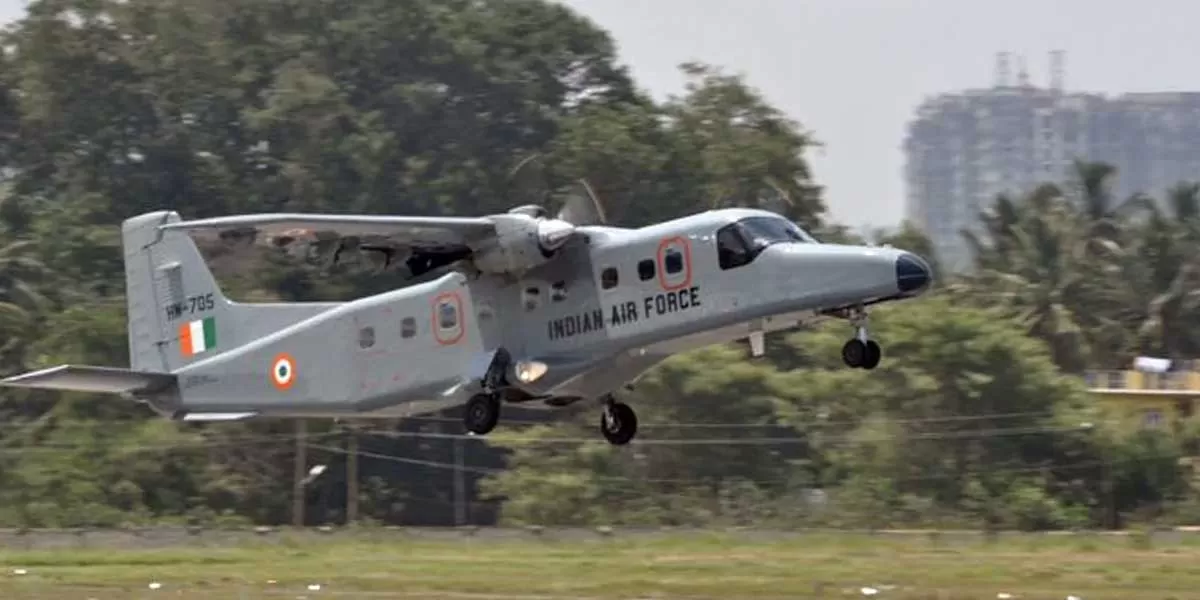
Maldives has expressed concerns over the capability of Indian pilots to operate aircraft provided by India. The Maldivian government has stated that their pilots lack the necessary skills to fly the aircraft, raising questions about the training and qualifications of Indian pilots.

This issue comes amidst growing bilateral cooperation between India and the Maldives in the aviation sector. India has been assisting the Maldives in various areas of aviation, including providing aircraft and training for pilots. However, the recent remarks from the Maldivian authorities highlight potential challenges in the execution of these agreements.

The Maldives' criticism of Indian pilots' competence raises questions about the effectiveness of training programs and the suitability of the aircraft provided by India. It also underscores the importance of ensuring that pilots receive adequate training and certification to operate aircraft safely.

India and the Maldives share a close relationship, with India being a key partner in the Maldives' development efforts, including in the aviation sector. Addressing the concerns raised by the Maldives regarding pilot competence is essential for maintaining the trust and cooperation between the two countries in aviation-related matters.

The Indian government has not yet responded to the remarks made by the Maldivian authorities. However, it is likely that this issue will prompt a review of the training and certification processes for Indian pilots operating in the Maldives. Ensuring the proficiency of pilots is crucial for the safe and efficient operation of aircraft, especially in a region where aviation infrastructure and safety standards are of paramount importance.

Maldives has expressed concerns over the capability of Indian pilots to operate aircraft provided by India. The Maldivian government has stated that their pilots lack the necessary skills to fly the aircraft, raising questions about the training and qualifications of Indian pilots. This issue comes amidst growing bilateral cooperation between India and the Maldives in the aviation sector. India has been assisting the Maldives in various areas of aviation, including providing aircraft and training for pilots. However, the recent remarks from the Maldivian authorities highlight potential challenges in the execution of these agreements. The Maldives' criticism of Indian pilots' competence raises questions about the effectiveness of training programs and the suitability of the aircraft provided by India. It also underscores the importance of ensuring that pilots receive adequate training and certification to operate aircraft safely. India and the Maldives share a close relationship, with India being a key partner in the Maldives' development efforts, including in the aviation sector. Addressing the concerns raised by the Maldives regarding pilot competence is essential for maintaining the trust and cooperation between the two countries in aviation-related matters. The Indian government has not yet responded to the remarks made by the Maldivian authorities. However, it is likely that this issue will prompt a review of the training and certification processes for Indian pilots operating in the Maldives. Ensuring the proficiency of pilots is crucial for the safe and efficient operation of aircraft, especially in a region where aviation infrastructure and safety standards are of paramount importance.

Related Stories

Gold Stories
Next Story
Infrastructure Urban

Insurance is not a cost; it is protection for the balance sheet

As infrastructure projects grow larger and more complex, their risk profiles are evolving beyond physical damage. Underinsurance, business interruption, supply-chain disruptions, climate volatility, surety and transactional exposures can all have significant financial consequences. Mohan Agrawal, Director and Business Lead - Construction, Infra & Warehousing, EDME Insurance Brokers, discusses these emerging risks and the gaps in conventional insurance practices in a conversation with KAVITA PARAB, CW. He explains why infrastructure players need to view insurance not merely as a cost, but a..

Next Story
Equipment

Optimising Earthmoving

Constituting India’s biggest fleet of construction equipment by type, earthmovers positively impact project outcomes and company bottomlines if best practices are adopted. Here’s a guide from CW.Select the right machineOne of the biggest challenges in using earthmovers isn’t machine failure but using the wrong machine configuration for the application, according to Chaitanya Bhagde, P&M Head, SHC Projects. “Unless equipment is deployed after considering the soil type, excavation depth, haul distance and production target, the application will face low productivity, longer time depl..

Next Story
Real Estate

We engineer the way architecture gets built

DALBIR SINGH, Founder, HAACE, on the company’s bespoke approach to translating ambitious architecture into precisely engineered and executed structures.What does bespoke construction mean to HAACE, and how is it different from conventional contracting?For HAACE, bespoke construction means choosing the construction methodology around the design rather than forcing the design into a standard template. Every project is studied around its architectural intent, structural requirements and execution challenges. We deliberately take on a limited number of projects because this approach demands atte..

Advertisement

Subscribe to Our Newsletter

Get daily newsletters around different themes from Construction world.

STAY CONNECTED

Advertisement

SPECIAL OFFER
QR Code