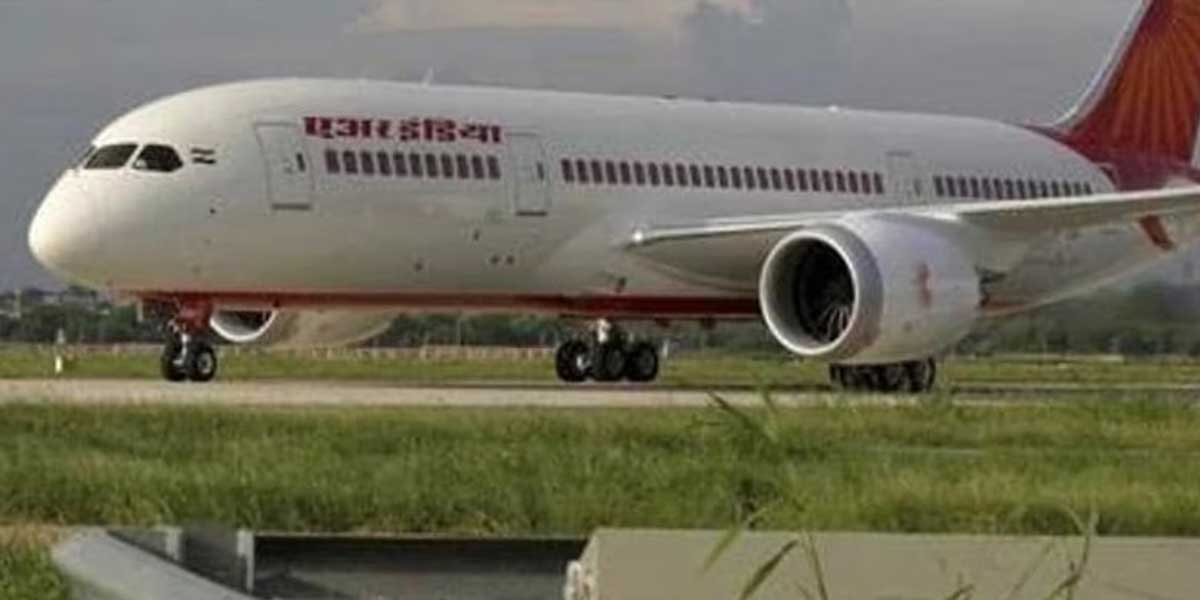
Air India Disciplined by DGCA for Passenger Rule Violations
AVIATION & AIRPORTS

Air India Disciplined by DGCA for Passenger Rule Violations

India's national carrier, Air India, has come under scrutiny from the Directorate General of Civil Aviation (DGCA) for repeatedly flouting passenger-centric rules. The regulatory body has identified several instances where the airline failed to comply with the established guidelines aimed at ensuring a seamless and comfortable experience for travelers.

DGCA flagged violations ranging from inadequate information provision to passengers, including delayed notifications about flight cancellations or diversions, to substandard customer service levels. Additionally, Air India was found to have infringed on guidelines related to baggage handling and refund policies.

One of the major areas of concern highlighted by DGCA was the airline's failure to timely inform passengers about canceled or diverted flights. According to the regulations, passengers must be promptly updated about any changes in their travel plans, allowing them to make alternative arrangements if required. However, Air India neglected to adhere to this vital rule, resulting in inconvenience for the affected passengers.

Another significant violation noted by DGCA involved Air India's customer service performance. Passengers reported instances of rude or unresponsive behavior from airline staff, which is strictly prohibited. DGCA emphasized the importance of providing polite and helpful service to customers, emphasizing that all staff should be trained to handle passengers professionally and courteously.

Throughout its assessment, DGCA found instances where Air India failed to meet the required standards of baggage handling. Complaints from passengers ranged from damaged luggage to loss of personal belongings. The regulatory body has called for the airline to strengthen its baggage handling protocols to ensure passengers' belongings are handled with care and security.

Furthermore, DGCA discovered issues related to Air India's refund policy. Passengers who were entitled to a refund due to flight cancellations or delays faced numerous challenges in obtaining their compensation. The regulatory board stressed that airlines must streamline their refund processes and adequately inform passengers of their rights in such situations.

As a result of these repeated violations, DGCA has directed Air India to take corrective action promptly. The airline has been given a strict timeline to rectify the highlighted deficiencies and submit a detailed report of the steps taken to ensure compliance with passenger-centric rules.

This incident serves as a reminder to all airlines to prioritize passenger satisfaction and welfare. DGCA is determined to maintain a high standard of service in the aviation industry, and any non-compliance with passenger-centric rules will be dealt with strictly to protect the rights of travelers.

India's national carrier, Air India, has come under scrutiny from the Directorate General of Civil Aviation (DGCA) for repeatedly flouting passenger-centric rules. The regulatory body has identified several instances where the airline failed to comply with the established guidelines aimed at ensuring a seamless and comfortable experience for travelers. DGCA flagged violations ranging from inadequate information provision to passengers, including delayed notifications about flight cancellations or diversions, to substandard customer service levels. Additionally, Air India was found to have infringed on guidelines related to baggage handling and refund policies. One of the major areas of concern highlighted by DGCA was the airline's failure to timely inform passengers about canceled or diverted flights. According to the regulations, passengers must be promptly updated about any changes in their travel plans, allowing them to make alternative arrangements if required. However, Air India neglected to adhere to this vital rule, resulting in inconvenience for the affected passengers. Another significant violation noted by DGCA involved Air India's customer service performance. Passengers reported instances of rude or unresponsive behavior from airline staff, which is strictly prohibited. DGCA emphasized the importance of providing polite and helpful service to customers, emphasizing that all staff should be trained to handle passengers professionally and courteously. Throughout its assessment, DGCA found instances where Air India failed to meet the required standards of baggage handling. Complaints from passengers ranged from damaged luggage to loss of personal belongings. The regulatory body has called for the airline to strengthen its baggage handling protocols to ensure passengers' belongings are handled with care and security. Furthermore, DGCA discovered issues related to Air India's refund policy. Passengers who were entitled to a refund due to flight cancellations or delays faced numerous challenges in obtaining their compensation. The regulatory board stressed that airlines must streamline their refund processes and adequately inform passengers of their rights in such situations. As a result of these repeated violations, DGCA has directed Air India to take corrective action promptly. The airline has been given a strict timeline to rectify the highlighted deficiencies and submit a detailed report of the steps taken to ensure compliance with passenger-centric rules. This incident serves as a reminder to all airlines to prioritize passenger satisfaction and welfare. DGCA is determined to maintain a high standard of service in the aviation industry, and any non-compliance with passenger-centric rules will be dealt with strictly to protect the rights of travelers.

Next Story
Infrastructure Transport

India Becomes First to Produce Bio-Bitumen for Roads

India has become the first country in the world to commercially produce bio-bitumen for use in road construction, according to Road, Transport and Highways Minister Nitin Gadkari. Bitumen, a black and viscous hydrocarbon derived from crude oil, is a key binding material in road building, and the bio-based alternative is expected to significantly improve the sector’s environmental footprint.Addressing the CSIR Technology Transfer Ceremony in New Delhi, Mr Gadkari congratulated Council of Scientific and Industrial Research on achieving the milestone, noting that the initiative would help curb ..

Next Story
Infrastructure Urban

HILT Policy Seen Boosting Telangana Revenue Sharply

The Hyderabad Industrial Land Transformation (HILT) Policy is expected to generate around Rs 1.08 billion in revenue for the Telangana state exchequer, according to Deputy Chief Minister Bhatti Vikramarka Mallu. Speaking in the Telangana Legislative Assembly, he said the policy would be implemented within a six-month timeframe in a transparent manner, with uniform rules applicable to all stakeholders. Mr Vikramarka noted that without the HILT Policy, the state would have earned only about Rs 1.2 million per acre. Under the new framework, however, revenue is projected to rise sharply to Rs 70 ..

Next Story
Infrastructure Urban

India Post, MoRD Tie Up to Boost Rural Inclusion

The Department of Posts and the Ministry of Rural Development have signed a Memorandum of Understanding to accelerate rural transformation and expand financial, digital and logistics services for Self-Help Groups (SHGs) and rural households across India. The agreement was signed in the presence of Union Minister of Communications and Development of North Eastern Region Jyotiraditya M. Scindia and Union Minister of Rural Development and Agriculture and Farmers’ Welfare Shivraj Singh Chouhan. The collaboration aligns with the government’s “Dak Sewa, Jan Sewa” vision and seeks to repositi..

Advertisement

Subscribe to Our Newsletter

Get daily newsletters around different themes from Construction world.

STAY CONNECTED

Advertisement

Advertisement

Advertisement

Advertisement

Open In App