



NGT Halts Chennai Beach Project
ECONOMY & POLICY

NGT Halts Chennai Beach Project

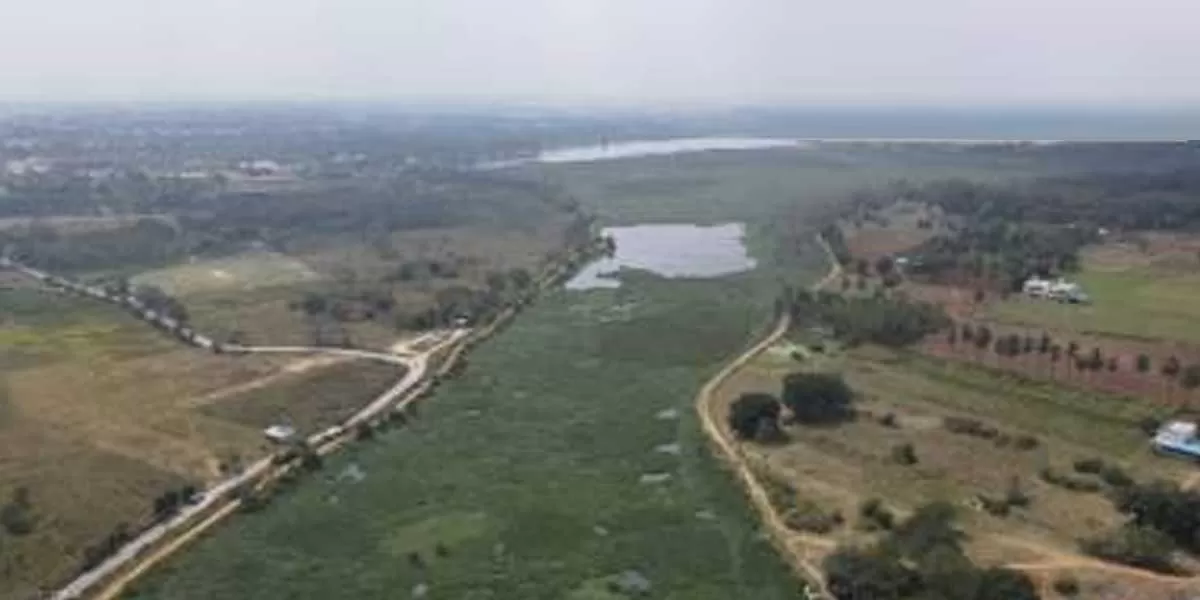
The National Green Tribunal (NGT) has recently put a stop to a major beach development project in Chennai, valued at 100 crores, due to environmental concerns. This decision underscores the NGT's commitment to preserving ecological balance while assessing urban development plans. The halted project was intended to enhance the coastal infrastructure and boost tourism but faced opposition due to potential adverse effects on the local ecosystem and community.

The NGT's intervention came after public interest litigations raised issues regarding the environmental impact assessments associated with the project. Concerns were particularly pointed towards the disruption of natural habitats and the alteration of coastal dynamics, which could have far-reaching consequences for biodiversity and the livelihoods of communities dependent on these ecosystems. The tribunal's ruling highlights the growing scrutiny of development projects that may compromise environmental sustainability.

This decision aligns with other actions taken by the NGT, including the recent directives to halt construction activities by Chennai Metro Rail Limited along the Nanmangalam Reserve Forest area, reflecting a broader enforcement of environmental laws in urban development projects across the region. The NGT has been pivotal in ensuring that development projects comply with environmental standards to foster sustainable growth.

The halt of the Chennai beach development project serves as a critical reminder of the need for a balanced approach to urban planning. It emphasizes the importance of incorporating sustainable practices and rigorous environmental impact assessments before initiating significant infrastructural projects. This approach not only protects the environment but also ensures the long-term viability and acceptance of development projects within local communities.

The National Green Tribunal (NGT) has recently put a stop to a major beach development project in Chennai, valued at 100 crores, due to environmental concerns. This decision underscores the NGT's commitment to preserving ecological balance while assessing urban development plans. The halted project was intended to enhance the coastal infrastructure and boost tourism but faced opposition due to potential adverse effects on the local ecosystem and community. The NGT's intervention came after public interest litigations raised issues regarding the environmental impact assessments associated with the project. Concerns were particularly pointed towards the disruption of natural habitats and the alteration of coastal dynamics, which could have far-reaching consequences for biodiversity and the livelihoods of communities dependent on these ecosystems. The tribunal's ruling highlights the growing scrutiny of development projects that may compromise environmental sustainability. This decision aligns with other actions taken by the NGT, including the recent directives to halt construction activities by Chennai Metro Rail Limited along the Nanmangalam Reserve Forest area, reflecting a broader enforcement of environmental laws in urban development projects across the region. The NGT has been pivotal in ensuring that development projects comply with environmental standards to foster sustainable growth. The halt of the Chennai beach development project serves as a critical reminder of the need for a balanced approach to urban planning. It emphasizes the importance of incorporating sustainable practices and rigorous environmental impact assessments before initiating significant infrastructural projects. This approach not only protects the environment but also ensures the long-term viability and acceptance of development projects within local communities.

Next Story
Infrastructure Urban

Implementation Status of Jal Jeevan Mission

Since August 2019 the Government has implemented Jal Jeevan Mission to provide assured potable water through household tap connections in rural India. At the start of the mission only 32.3 million (mn) rural households, representing 16.7 per cent, were reported to have tap water connections. States and union territories have reported that 125.8 mn additional rural households have since been provided with tap connections. As a result, of about 193.6 mn rural households roughly 158.2 mn, or 81.71 per cent, are reported to have tap water supply at home.\n\nThe State, district and village level st..

Next Story
Infrastructure Urban

Jal Jeevan Mission Reaches Eighty One Per Cent Rural Coverage

The Government reported substantial progress under the Jal Jeevan Mission, launched in August 2019 to provide tap water to every rural household. At launch only 32.3 million (mn) rural households had tap connections and states and Union territories reported provision of 125.8 mn additional households by March 2026. Consequently, out of about 193.6 mn rural households around 158.2 mn, or 81.71 per cent, are reported to have tap water at home. The Finance Minister announced extension of the mission until 2028 in the 2025-26 budget speech. The Swachh Bharat Mission Grameen, launched in October 20..

Next Story
Infrastructure Urban

Empowering Local Governance for Sustainable Rural Water Supply

The Ministry of Jal Shakti has aligned the Jal Jeevan Mission (JJM) with the 73rd Amendment to strengthen village level planning and community ownership of water supply. Gram Panchayats, village water and sanitation committees and Pani Samitis are to plan, implement, manage and maintain piped water systems, with gram sabha processes formalising handover and oversight. Implementation support agencies including non government organisations, community based organisations and self help groups have been empanelled to train local committees and promote women participation. Under JJM, the department ..

Advertisement

Subscribe to Our Newsletter

Get daily newsletters around different themes from Construction world.

STAY CONNECTED

Advertisement

Advertisement

Advertisement