+
India's Construction Sector Looks to Hire 100K Amid Gaza War
ECONOMY & POLICY

India's Construction Sector Looks to Hire 100K Amid Gaza War

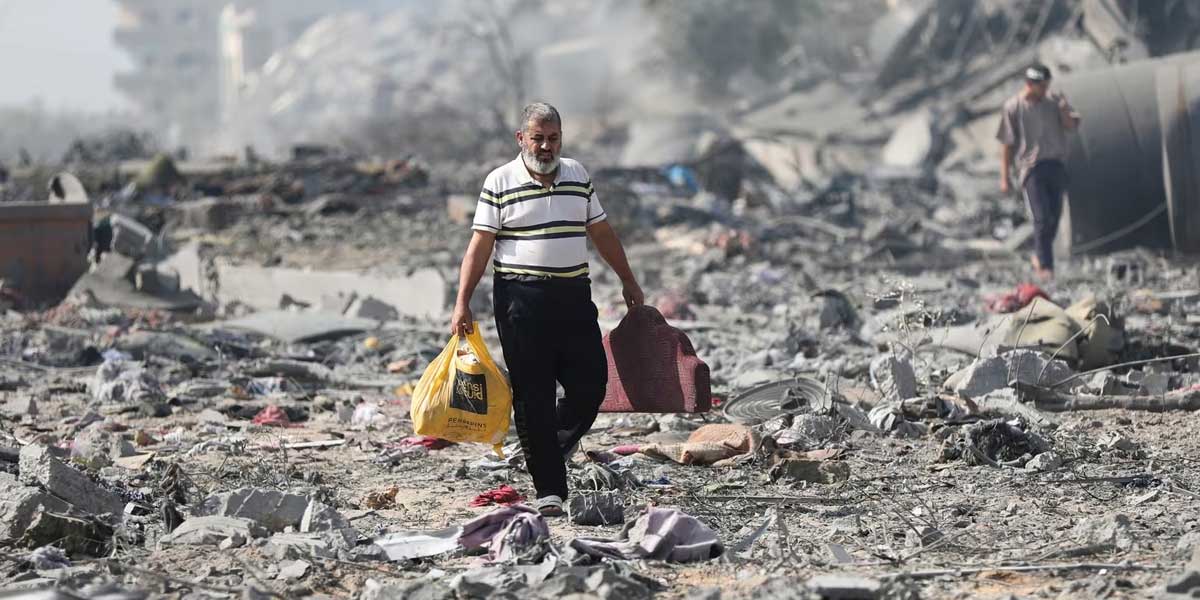
The construction sector in Israel is facing a significant labor shortage amidst the ongoing conflict with Gaza. In an effort to overcome this challenge, Israel is planning to hire around 100,000 workers from India. This move comes as Palestinians in the occupied territories continue to face hardships due to the ongoing conflict.

Israel's construction industry heavily relies on Palestinian labor. However, due to the recent escalation of violence, many Palestinian workers have been unable to report to their jobs. This has resulted in a severe manpower crunch, prompting Israel to seek alternative sources of labor.

The decision to hire Indian workers is driven by several factors. Firstly, there is an existing labor agreement between India and Israel, which has facilitated the recruitment of Indian workers in the past. Additionally, Indian workers are known for their expertise in construction and have been sought after in various countries around the world.

Israel's construction industry has a history of employing foreign workers, with the majority coming from Eastern Europe, China, and Southeast Asia. Indian workers are now being considered as a viable option due to their skill set, work ethic, and relatively lower cost compared to workers from other regions.

The recruitment of Indian workers is expected to provide a temporary solution to Israel's labor shortage. The construction sector in Israel is crucial for the country's economy, and delays in ongoing projects can have significant economic implications. By hiring Indian workers, Israel aims to maintain the momentum of construction activities and ensure timely completion of projects.

However, it's important to acknowledge the plight of Palestinians who have been negatively impacted by the ongoing conflict. The displacement and hardships faced by Palestinians should be given due attention and efforts should be made to address their issues and promote peaceful resolution.

In conclusion, as Israel grapples with a labor shortage amid the Gaza war, the construction sector is looking to hire around 100,000 workers from India. The decision to recruit Indian workers stems from their expertise in construction, the existing labor agreement between India and Israel, and the urgency to maintain progress in ongoing construction projects. It is crucial to simultaneously address the hardships faced by Palestinians and work towards a peaceful resolution to the conflict.

The construction sector in Israel is facing a significant labor shortage amidst the ongoing conflict with Gaza. In an effort to overcome this challenge, Israel is planning to hire around 100,000 workers from India. This move comes as Palestinians in the occupied territories continue to face hardships due to the ongoing conflict. Israel's construction industry heavily relies on Palestinian labor. However, due to the recent escalation of violence, many Palestinian workers have been unable to report to their jobs. This has resulted in a severe manpower crunch, prompting Israel to seek alternative sources of labor. The decision to hire Indian workers is driven by several factors. Firstly, there is an existing labor agreement between India and Israel, which has facilitated the recruitment of Indian workers in the past. Additionally, Indian workers are known for their expertise in construction and have been sought after in various countries around the world. Israel's construction industry has a history of employing foreign workers, with the majority coming from Eastern Europe, China, and Southeast Asia. Indian workers are now being considered as a viable option due to their skill set, work ethic, and relatively lower cost compared to workers from other regions. The recruitment of Indian workers is expected to provide a temporary solution to Israel's labor shortage. The construction sector in Israel is crucial for the country's economy, and delays in ongoing projects can have significant economic implications. By hiring Indian workers, Israel aims to maintain the momentum of construction activities and ensure timely completion of projects. However, it's important to acknowledge the plight of Palestinians who have been negatively impacted by the ongoing conflict. The displacement and hardships faced by Palestinians should be given due attention and efforts should be made to address their issues and promote peaceful resolution. In conclusion, as Israel grapples with a labor shortage amid the Gaza war, the construction sector is looking to hire around 100,000 workers from India. The decision to recruit Indian workers stems from their expertise in construction, the existing labor agreement between India and Israel, and the urgency to maintain progress in ongoing construction projects. It is crucial to simultaneously address the hardships faced by Palestinians and work towards a peaceful resolution to the conflict.

Next Story
Infrastructure Transport

Lucknow Metro East-West Corridor Consultancy Contract Awarded

The Uttar Pradesh Metro Rail Corporation has awarded the first construction-related consultancy contract for the Lucknow Metro East West Corridor to a joint venture of AYESA Ingenieria Arquitectura SAU and AYESA India Pvt Ltd. The firm was declared the lowest bidder for the Detailed Design Consultant contract for Lucknow Metro Line-2 under Phase 1B and the contract was recommended following the financial bid. The contract is valued at Rs 159.0 million (mn), covering design services for the corridor. Lucknow Metro Line-2 envisages the construction of an 11.165 kilometre corridor connecting Cha..

Next Story
Infrastructure Urban

Div Com Kashmir Urges Fast Tracking Of Jhelum Water Transport Project

The Divisional Commissioner of Kashmir has called for the fast-tracking of the Jhelum water transport project, urging district administrations and relevant agencies to accelerate planning and clearances. In a meeting convened at the divisional headquarters, the commissioner instructed officials from irrigation, public health engineering and municipal departments to prioritise the project and coordinate survey and design work. The directive emphasised removal of administrative bottlenecks and close monitoring to ensure timely mobilisation of resources and contractors. Officials were told to in..

Next Story
Infrastructure Urban

Interarch Reports Strong Q3 And Nine Month Results

Interarch Building Solutions Limited reported unaudited results for the third quarter and nine months ended 31 December 2025, recording strong revenue growth driven by execution and a robust order book. Net revenue for the third quarter rose by 43.7 per cent to Rs 5.225 billion (bn), compared with Rs 3.636 bn a year earlier, reflecting heightened demand in pre-engineered building projects. The company’s total order book as at 31 January 2026 stood at Rs 16.85 bn, supporting near-term visibility. EBITDA excluding other income for the quarter increased by 43.2 per cent to Rs 503 million (mn),..

Advertisement

Subscribe to Our Newsletter

Get daily newsletters around different themes from Construction world.

STAY CONNECTED

Advertisement

Advertisement

Advertisement

Open In App