

Hyundai aims to capture hydrogen market
Technology

Hyundai aims to capture hydrogen market

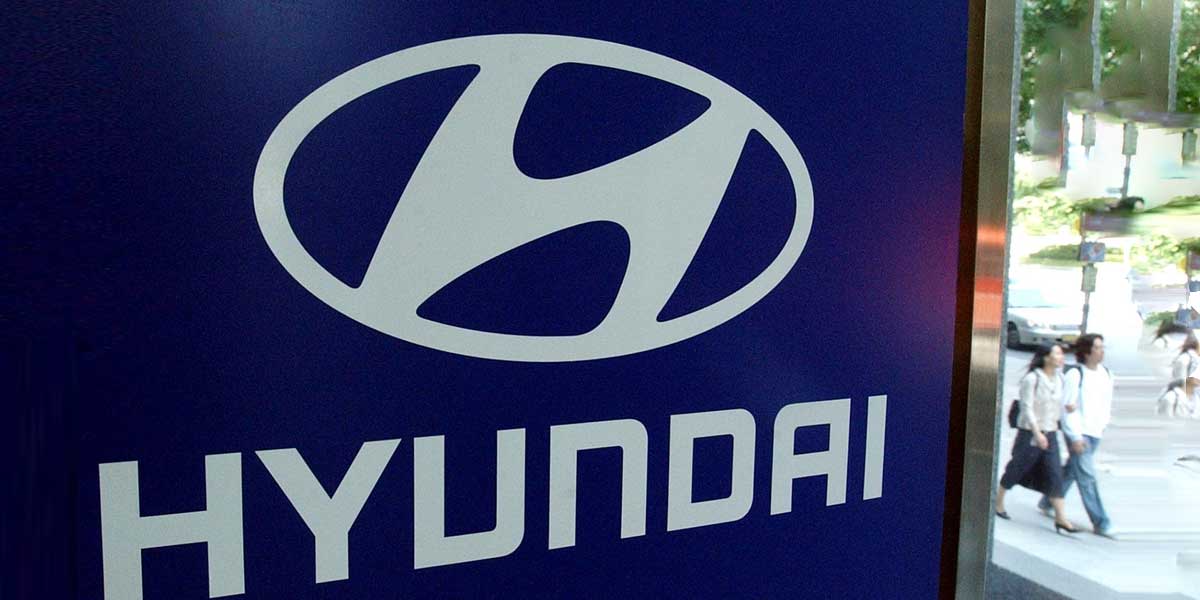
As South Korean automobile maker HyundaiMotor Corp plans on capturing a major share of the world market of hydrogen-fuelled vehicles, Jim Ratcliffe-owned Ineos Group is joining hands with Hyundai in a bid to proffer hydrogen fuel cell vehicles. Ineos is exploring possibilities to produce and provide hydrogen to Hyundai, which has been producing fuel cell vehicles in economic volumes since 2013. Ineos may also utilise Hyundai’s fuel cell system in the Grenadier, the Land Rover-like sport service vehicle Ineos intends to deliver to the market in the following year.

Manufacturers of automobiles and chemicals are discovering common ground in their pursuance of hydrogen projects. Objectives are being fixed globally to phase out the fire engine and decarbonise industrial production. Ineos group produces 300,000 tons of hydrogen yearly. It could play a contributory role in setting up the foundation Hyundai requires for models like the Nexo SUV to grasp on in Europe.

The Ineos Group has also mentioned in an interview that they would like to do something of serious scale in the subsequent five years. While the relative increase in the use of battery-electric cars has added some doubt on the eventuality of fuel-cell vehicles, Hyundai and Toyota still see tremendous potential in their technological dominance. Hydrogen tanks can be refilled quicker than batteries recharge, and fuel cells can extend a greater driving range, especially in heavier vehicles.

Hyundai wants to discern its fuel-cell technology adopted globally. They have set up a business, and they want to develop it and enter into the markets of Europe and the U.S. as well. The South Korean car producers strive to seize as much as 15% of the hydrogen-fueled truck business in Europe by 2030, targeting nations including the Netherlands and Germany. Hyundai exported its primary lot of such trucks to Switzerland at the beginning of this year and intends to manufacture 1,600 units by 2025.

"Join industry leaders at RAHSTA Expo, India's premier platform for roads, highways and traffic infrastructure. Register now to explore innovations, network with experts and shape the future of mobility."

As South Korean automobile maker HyundaiMotor Corp plans on capturing a major share of the world market of hydrogen-fuelled vehicles, Jim Ratcliffe-owned Ineos Group is joining hands with Hyundai in a bid to proffer hydrogen fuel cell vehicles. Ineos is exploring possibilities to produce and provide hydrogen to Hyundai, which has been producing fuel cell vehicles in economic volumes since 2013. Ineos may also utilise Hyundai’s fuel cell system in the Grenadier, the Land Rover-like sport service vehicle Ineos intends to deliver to the market in the following year. Manufacturers of automobiles and chemicals are discovering common ground in their pursuance of hydrogen projects. Objectives are being fixed globally to phase out the fire engine and decarbonise industrial production. Ineos group produces 300,000 tons of hydrogen yearly. It could play a contributory role in setting up the foundation Hyundai requires for models like the Nexo SUV to grasp on in Europe. The Ineos Group has also mentioned in an interview that they would like to do something of serious scale in the subsequent five years. While the relative increase in the use of battery-electric cars has added some doubt on the eventuality of fuel-cell vehicles, Hyundai and Toyota still see tremendous potential in their technological dominance. Hydrogen tanks can be refilled quicker than batteries recharge, and fuel cells can extend a greater driving range, especially in heavier vehicles. Hyundai wants to discern its fuel-cell technology adopted globally. They have set up a business, and they want to develop it and enter into the markets of Europe and the U.S. as well. The South Korean car producers strive to seize as much as 15% of the hydrogen-fueled truck business in Europe by 2030, targeting nations including the Netherlands and Germany. Hyundai exported its primary lot of such trucks to Switzerland at the beginning of this year and intends to manufacture 1,600 units by 2025.

Next Story
Real Estate

Omaxe to Invest Rs 62 Billion in Hospitality Expansion

Omaxe has announced the launch of a dedicated hospitality business vertical with plans to develop 19 hotels across five states over the next four to five years as part of its strategy to strengthen recurring revenues and expand its integrated development ecosystem.The real estate developer proposes to invest approximately Rs 62 billion, subject to regulatory approvals and market conditions, to develop nearly 5 million sq ft of hospitality assets across high-growth urban centres, pilgrimage destinations and transit corridors.The proposed portfolio will be integrated with Omaxe's existing townsh..

Next Story
Infrastructure Transport

Third Railway Line Between Tatanagar And Adityapur Likely By September

The third railway line between Tatanagar and Adityapur is expected to be commissioned by September as work on the corridor advances, according to railway sources. The project to add a fourth line on the busy route is progressing and has been allocated Rs 50.89 billion (bn) in funding. The allocation underscores the focus on increasing capacity and easing congestion on the corridor. Relevant timetables are being adjusted to integrate the new capacity into regular operations. Construction activity has involved track laying, formation work and signalling upgrades along strategic stretches, with m..

Next Story
Infrastructure Transport

Indian Railways Approves Rs 2.7 bn Kavach Rollout in Odisha

Indian Railways has approved a Rs 2.7 billion (Rs 2.7 bn) plan to install the Kavach train collision avoidance system on 631 route kilometres in the East Coast Railway zone. The Ministry of Railways said the work will form part of a wider Kavach deployment programme that relies on an LTE based communication backbone rather than a standalone installation. The approval marks the latest stage in the steady expansion of the indigenous safety technology across the national network. The decision aims to enhance safety and reliability on corridors serving Odisha and adjoining areas. The project will ..

Advertisement

Subscribe to Our Newsletter

Get daily newsletters around different themes from Construction world.

STAY CONNECTED

Advertisement

Advertisement

Advertisement