




Survey of Dangerous Buildings Progressing
Real Estate

Survey of Dangerous Buildings Progressing

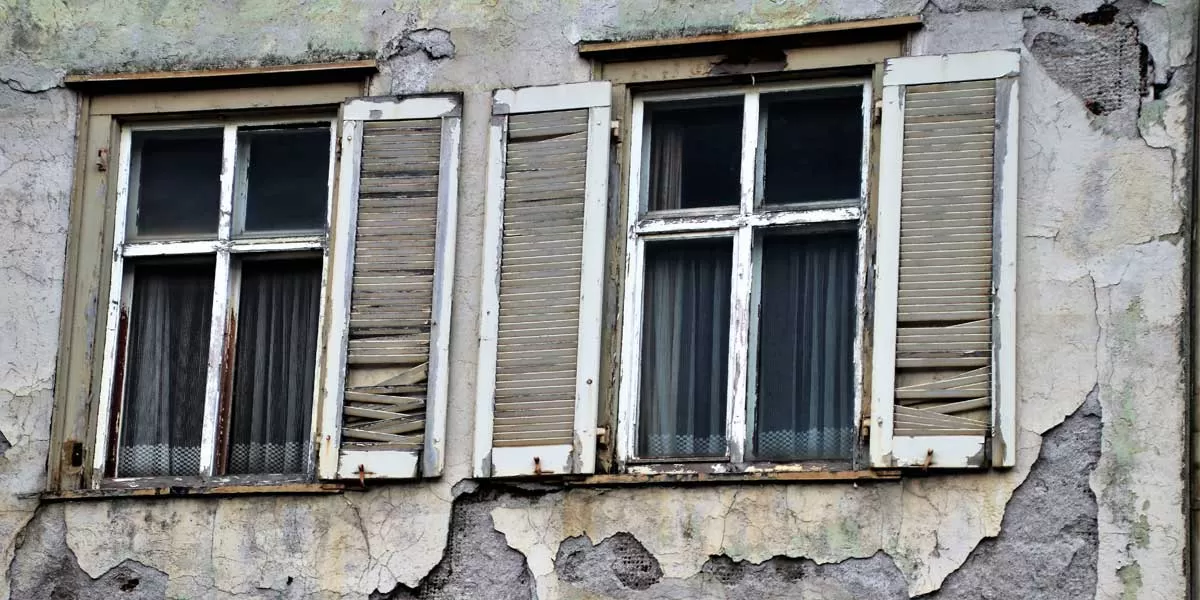
The Delhi civic body has announced that it has completed around 65% of its ongoing survey to identify dangerous buildings in the city. This initiative, aimed at enhancing urban safety, involves inspecting structures at risk of collapse. So far, the Municipal Corporation of Delhi (MCD) has surveyed 14,997 buildings, with 9,748 being declared dangerous.

The MCD started this survey in March following a series of building collapses in Delhi. The goal is to identify buildings that pose a significant threat to public safety. The civic body has categorized these buildings into 'dangerous' and 'dilapidated' to prioritize necessary actions. Dangerous buildings are those deemed unsafe for habitation, while dilapidated buildings require urgent repairs.The survey process includes physical inspections by MCD engineers who assess structural integrity and potential hazards. Buildings flagged as dangerous are issued notices, and owners are instructed to either vacate or repair the structures. Additionally, the MCD is exploring legal measures to ensure compliance from property owners.

The survey has faced challenges, including resistance from building owners and logistical difficulties in accessing certain areas. Despite these obstacles, the MCD remains committed to completing the survey by the end of the year. Once the survey is complete, a comprehensive plan will be developed to address the identified issues and ensure the safety of Delhi's urban infrastructure.

The Delhi civic body has announced that it has completed around 65% of its ongoing survey to identify dangerous buildings in the city. This initiative, aimed at enhancing urban safety, involves inspecting structures at risk of collapse. So far, the Municipal Corporation of Delhi (MCD) has surveyed 14,997 buildings, with 9,748 being declared dangerous. The MCD started this survey in March following a series of building collapses in Delhi. The goal is to identify buildings that pose a significant threat to public safety. The civic body has categorized these buildings into 'dangerous' and 'dilapidated' to prioritize necessary actions. Dangerous buildings are those deemed unsafe for habitation, while dilapidated buildings require urgent repairs.The survey process includes physical inspections by MCD engineers who assess structural integrity and potential hazards. Buildings flagged as dangerous are issued notices, and owners are instructed to either vacate or repair the structures. Additionally, the MCD is exploring legal measures to ensure compliance from property owners. The survey has faced challenges, including resistance from building owners and logistical difficulties in accessing certain areas. Despite these obstacles, the MCD remains committed to completing the survey by the end of the year. Once the survey is complete, a comprehensive plan will be developed to address the identified issues and ensure the safety of Delhi's urban infrastructure.

Next Story
Infrastructure Urban

Implementation Status of Jal Jeevan Mission

Since August 2019 the Government has implemented Jal Jeevan Mission to provide assured potable water through household tap connections in rural India. At the start of the mission only 32.3 million (mn) rural households, representing 16.7 per cent, were reported to have tap water connections. States and union territories have reported that 125.8 mn additional rural households have since been provided with tap connections. As a result, of about 193.6 mn rural households roughly 158.2 mn, or 81.71 per cent, are reported to have tap water supply at home.\n\nThe State, district and village level st..

Next Story
Infrastructure Urban

Jal Jeevan Mission Reaches Eighty One Per Cent Rural Coverage

The Government reported substantial progress under the Jal Jeevan Mission, launched in August 2019 to provide tap water to every rural household. At launch only 32.3 million (mn) rural households had tap connections and states and Union territories reported provision of 125.8 mn additional households by March 2026. Consequently, out of about 193.6 mn rural households around 158.2 mn, or 81.71 per cent, are reported to have tap water at home. The Finance Minister announced extension of the mission until 2028 in the 2025-26 budget speech. The Swachh Bharat Mission Grameen, launched in October 20..

Next Story
Infrastructure Urban

Empowering Local Governance for Sustainable Rural Water Supply

The Ministry of Jal Shakti has aligned the Jal Jeevan Mission (JJM) with the 73rd Amendment to strengthen village level planning and community ownership of water supply. Gram Panchayats, village water and sanitation committees and Pani Samitis are to plan, implement, manage and maintain piped water systems, with gram sabha processes formalising handover and oversight. Implementation support agencies including non government organisations, community based organisations and self help groups have been empanelled to train local committees and promote women participation. Under JJM, the department ..

Advertisement

Subscribe to Our Newsletter

Get daily newsletters around different themes from Construction world.

STAY CONNECTED

Advertisement

Advertisement

Advertisement