+
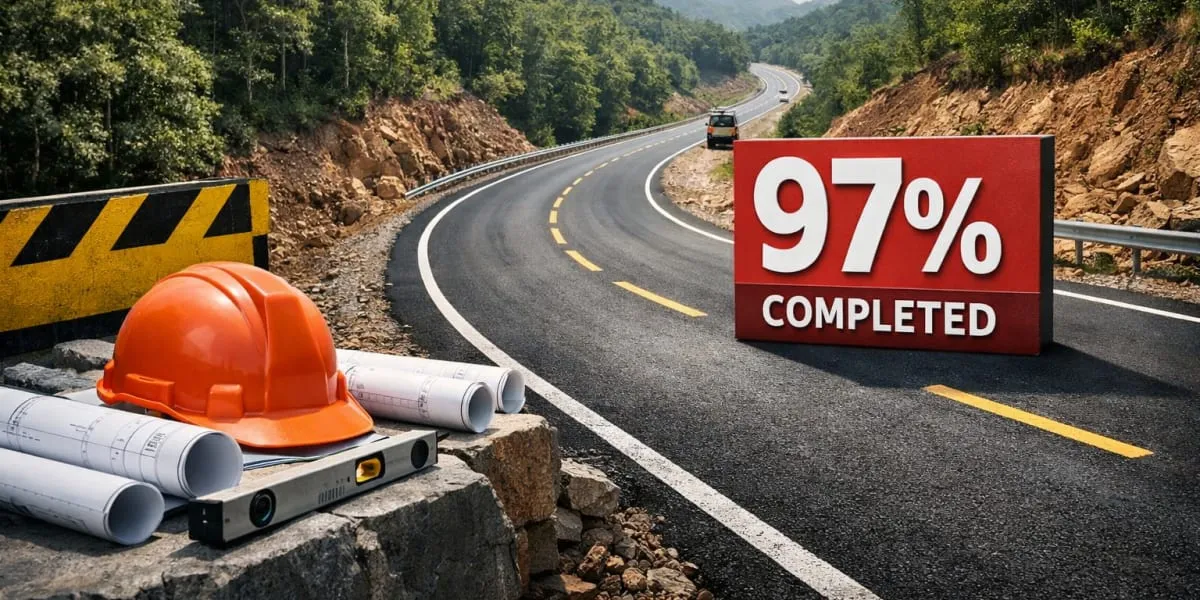
Software is a critical tool in project monitoring
Real Estate

Software is a critical tool in project monitoring

KEC International is a global infrastructure EPC major with a presence in the verticals of power transmission and distribution, railways, urban infrastructure, solar, oil and gas pipelines and cables. The flagship company of the RPG Group, it is currently executing infrastructure projects in over 30...

KEC International is a global infrastructure EPC major with a presence in the verticals of power transmission and distribution, railways, urban infrastructure, solar, oil and gas pipelines and cables. The flagship company of the RPG Group, it is currently executing infrastructure projects in over 30 countries and has a footprint in 110+ countries. Nagesh Veeturi, Executive Director, KEC Civil SBU, discusses the company’s projects, challenges, use of technology and more in conversation with R SRINIVASAN. Excerpts: Does the company have projects in Tier 2 and 3 cities? What is the major difference between projects in these geographies and in Mumbai? Yes, KEC Civil has many projects in Tier 2 and 3 cities including Bhopal, Tuticorin, Calicut, Srinagar, Bhubaneshwar, etc. The existing infrastructure in smaller cities may be less developed, posing minor challenges in execution as follows: Logistic challenges due to less developed infrastructure, such as inadequate transportation networks and utilities, can delay project timelines. Access to high-quality construction materials and specialised equipment can be limited Shortage of skilled labour and professional staff leads to reliance on local, often less experienced, labour forces or the need to bring in workers from other areas. These projects have tighter budget constraints. Local regulations and approval processes can differ significantly. What challenges has the company faced while sourcing raw materials for projects and how were they overcome? Certain challenges are faced while sourcing raw materials like volatile raw or finished material prices, supply chain disruptions and quality inconsistencies. To overcome these challenges, we have implemented a few strategies such as establishing a diversified network of suppliers to reduce dependency and risks associated with supply chain disruptions; establishing stringent quality control measures and regular supplier audits; and focusing more on sustainable and locally sourced materials to reduce environmental impact and support local suppliers. What role does software play in project monitoring to ensure timely deliveries? Software is a critical tool in project monitoring, acting as the backbone of efficient project management. It enables real-time tracking of progress, resource allocation and timelines. KEC Civil SBU uses Primavera / MS projects – this is project management software that helps teams stay on schedule and quickly adapt to changes through sophisticated features like Gantt charts, milestone tracking and automated reminders. What is the role of artificial intelligence (AI) in reducing the time and cost of projects? AI has revolutionised project management by significantly reducing both time and cost. AI algorithms can predict project risks and provide early warnings about potential delays, allowing teams to proactively address issues before they escalate. We are using AI in certain digital initiatives combined with mechanisation in KEC to maximise output and optimise overall cost to the company. What air monitoring measures should be carried out at construction and demolition sites? To improve air quality around construction and demolition sites, measures to be implemented are: Dos: Use water sprays and dust suppressants to minimise dust emissions. Store construction materials under covers or in enclosed spaces. Ensure that construction vehicles are well-maintained to minimise emissions. Erect physical barriers like walls or screens to contain dust and pollutants. Incorporate green building practices and use eco-friendly materials. Don’ts: Avoid open storage of sand, cement, or other dust-producing materials. Avoid burning construction waste onsite as it releases harmful pollutants. Avoid idling construction vehicles unnecessarily as it contributes to air pollution. Never overlook local environmental regulations aimed at reducing pollution. Implementing these measures can significantly mitigate the negative impact of construction activities on air quality. What should be done so that business houses in India properly manage their construction waste? To ensure proper construction waste management in India, several key steps should be taken by a construction business. At KEC, we follow the steps below: Enforcing mandatory waste management plans and imposing penalties for non-compliance. Onsite segregation of materials and providing clear guidelines for effective separation of construction waste. CND waste can often be reused into aggregate or new concrete products. Steel rebar or metal scrap can be processed and reused by sending it to appropriate recycling facilities, thus reducing rebar wastage. Implementing green building standards wherever possible and encouraging the use of recyclable materials. Conducting educational campaigns and training programmes on the best waste management practices. What are the barriers to usage of green steel and green cement? Adoption of green steel and cement faces barriers such as: Cost: Green materials, often at a higher price point compared to conventional materials, are less attractive in a cost-sensitive industry. Availability: Limited availability and production capacity of green materials can restrict their widespread use. Awareness: There is a lack of understanding of benefits and application of green materials among stakeholders in the construction industry. Regulatory support: Insufficient regulatory incentives and support for the adoption of green materials can hinder their usage. Technical challenges: Green materials may present technical challenges in terms of performance, requiring additional R&D to meet industry standards.

Next Story
Infrastructure Urban

Implementation Status of Jal Jeevan Mission

Since August 2019 the Government has implemented Jal Jeevan Mission to provide assured potable water through household tap connections in rural India. At the start of the mission only 32.3 million (mn) rural households, representing 16.7 per cent, were reported to have tap water connections. States and union territories have reported that 125.8 mn additional rural households have since been provided with tap connections. As a result, of about 193.6 mn rural households roughly 158.2 mn, or 81.71 per cent, are reported to have tap water supply at home.\n\nThe State, district and village level st..

Next Story
Infrastructure Urban

Jal Jeevan Mission Reaches Eighty One Per Cent Rural Coverage

The Government reported substantial progress under the Jal Jeevan Mission, launched in August 2019 to provide tap water to every rural household. At launch only 32.3 million (mn) rural households had tap connections and states and Union territories reported provision of 125.8 mn additional households by March 2026. Consequently, out of about 193.6 mn rural households around 158.2 mn, or 81.71 per cent, are reported to have tap water at home. The Finance Minister announced extension of the mission until 2028 in the 2025-26 budget speech. The Swachh Bharat Mission Grameen, launched in October 20..

Next Story
Infrastructure Urban

Empowering Local Governance for Sustainable Rural Water Supply

The Ministry of Jal Shakti has aligned the Jal Jeevan Mission (JJM) with the 73rd Amendment to strengthen village level planning and community ownership of water supply. Gram Panchayats, village water and sanitation committees and Pani Samitis are to plan, implement, manage and maintain piped water systems, with gram sabha processes formalising handover and oversight. Implementation support agencies including non government organisations, community based organisations and self help groups have been empanelled to train local committees and promote women participation. Under JJM, the department ..

Advertisement

Subscribe to Our Newsletter

Get daily newsletters around different themes from Construction world.

STAY CONNECTED

Advertisement

Advertisement

Advertisement