
India-Netherlands Report Outlines LNG as Transport Fuel
OIL & GAS

India-Netherlands Report Outlines LNG as Transport Fuel

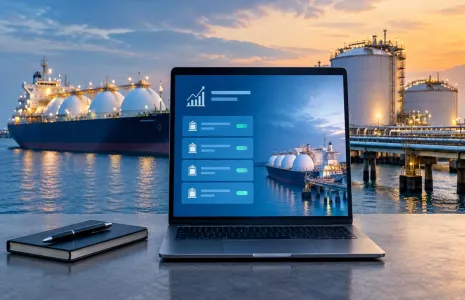
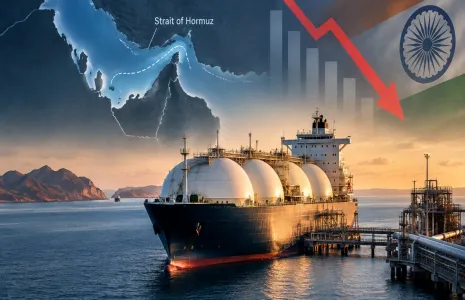
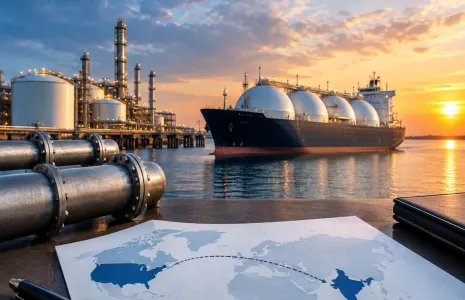
A collaborative report between India and the Netherlands has delineated a comprehensive roadmap for the integration of liquefied natural gas (LNG) as a future fuel in India's transportation sector. Highlighting the potential of LNG to mitigate emissions and enhance energy security, the report outlines strategic steps to promote its adoption across various modes of transport.

The report emphasises the significance of LNG in reducing greenhouse gas emissions and air pollution, particularly in the transportation sector. With its lower carbon footprint and cleaner combustion characteristics, LNG presents a viable alternative to conventional fossil fuels, aligning with India's sustainability goals and commitments to combat climate change.

Key recommendations in the report include the development of infrastructure for LNG production, storage, distribution, and refuelling stations, along with policy measures to incentivize LNG adoption. Additionally, it underscores the importance of fostering collaborations between government agencies, industry stakeholders, and international partners to drive the transition towards LNG-based transportation.

Furthermore, the report identifies potential challenges and opportunities associated with LNG integration, such as market dynamics, technology advancements, regulatory frameworks, and investment requirements. It underscores the need for coordinated efforts and proactive measures to overcome barriers and unlock the full potential of LNG as a transport fuel in India.

Overall, the collaborative report between India and the Netherlands provides a strategic roadmap for harnessing the benefits of LNG in India's transportation sector. By leveraging LNG's environmental and economic advantages, India can accelerate its transition towards cleaner and more sustainable mobility solutions, contributing to national development goals and global climate objectives.

"Join industry leaders at RAHSTA Expo, India's premier platform for roads, highways and traffic infrastructure. Register now to explore innovations, network with experts and shape the future of mobility."

A collaborative report between India and the Netherlands has delineated a comprehensive roadmap for the integration of liquefied natural gas (LNG) as a future fuel in India's transportation sector. Highlighting the potential of LNG to mitigate emissions and enhance energy security, the report outlines strategic steps to promote its adoption across various modes of transport. The report emphasises the significance of LNG in reducing greenhouse gas emissions and air pollution, particularly in the transportation sector. With its lower carbon footprint and cleaner combustion characteristics, LNG presents a viable alternative to conventional fossil fuels, aligning with India's sustainability goals and commitments to combat climate change. Key recommendations in the report include the development of infrastructure for LNG production, storage, distribution, and refuelling stations, along with policy measures to incentivize LNG adoption. Additionally, it underscores the importance of fostering collaborations between government agencies, industry stakeholders, and international partners to drive the transition towards LNG-based transportation. Furthermore, the report identifies potential challenges and opportunities associated with LNG integration, such as market dynamics, technology advancements, regulatory frameworks, and investment requirements. It underscores the need for coordinated efforts and proactive measures to overcome barriers and unlock the full potential of LNG as a transport fuel in India. Overall, the collaborative report between India and the Netherlands provides a strategic roadmap for harnessing the benefits of LNG in India's transportation sector. By leveraging LNG's environmental and economic advantages, India can accelerate its transition towards cleaner and more sustainable mobility solutions, contributing to national development goals and global climate objectives.

Next Story
Infrastructure Energy

Centre Prioritising Energy Security With Coal Gasification

Union minister for Coal and Mines G Kishan Reddy said the Centre is prioritising energy security through a strategic shift to coal gasification and has announced incentives totalling Rs 460 billion (bn) to support the effort. He said more than 35 companies will start coal gasification activities in India within two months and that the government is encouraging firms that bring technology to close the domestic technology gap. The minister described the initiative as aimed at reducing import dependence and developing indigenous capacity. India has the fifth-largest coal reserve in the world, and..

Next Story
Infrastructure Urban

BHEL and Coal India Invest Rs 250 bn in Odisha Gasification

Bharat Heavy Electricals (BHEL) and Coal India (CIL) are jointly investing Rs 250 billion in a coal gasification project in Odisha, with the Prime Minister laying the foundation stone in Jharsuguda. Union Coal and Mines Minister G Kishan Reddy described the initiative as a transformative shift in coal utilisation that will open industrial avenues for the state. The project moves coal beyond conventional power generation to industrial feedstocks. Coal gasification will convert coal into synthesis gas, a versatile feedstock for chemicals, fertilisers and synthetic fuels, and the technology is ex..

Next Story
Infrastructure Energy

BCCL Hands Over Dugdha Coal Washery To JSW Steel

Bharat Coking Coal has handed over the Dugdha Coal Washery to JSW Steel, marking the first coal washery asset monetisation under the Ministry of Coal's asset monetisation programme. The handover took place in the presence of senior officials from Bharat Coking Coal Ltd, JSW Steel and JSW Energy. The washery has a capacity of two million tonnes per annum (mn t per annum), and its transfer is intended to introduce private sector practices into coal beneficiation operations. The monetisation is aimed at modernising coal sector assets, improving operational efficiency and enhancing resource utilis..

Advertisement

Subscribe to Our Newsletter

Get daily newsletters around different themes from Construction world.

STAY CONNECTED

Advertisement

Advertisement

Advertisement